Do You Really Need Knee Replacement Surgery?
June 30, 2026
Understanding When Surgery Becomes the Right Choice
Knee pain is one of the most common musculoskeletal problems affecting adults across India. Whether caused by aging, osteoarthritis, rheumatoid arthritis, injury, or years of wear and tear, chronic knee pain can significantly reduce mobility and quality of life. Many people struggle with simple daily activities such as walking, climbing stairs, standing for extended periods, or even getting out of a chair.
When conservative treatments stop providing relief, patients often begin considering Knee Replacement Surgery in Delhi. However, one question remains common among patients and their families: Do you really need knee replacement surgery?
The answer depends on several factors, including the severity of joint damage, pain levels, mobility limitations, and the effectiveness of non-surgical treatments. Understanding the signs, benefits, and alternatives can help you make an informed decision about your knee health.
What Is Knee Replacement Surgery?
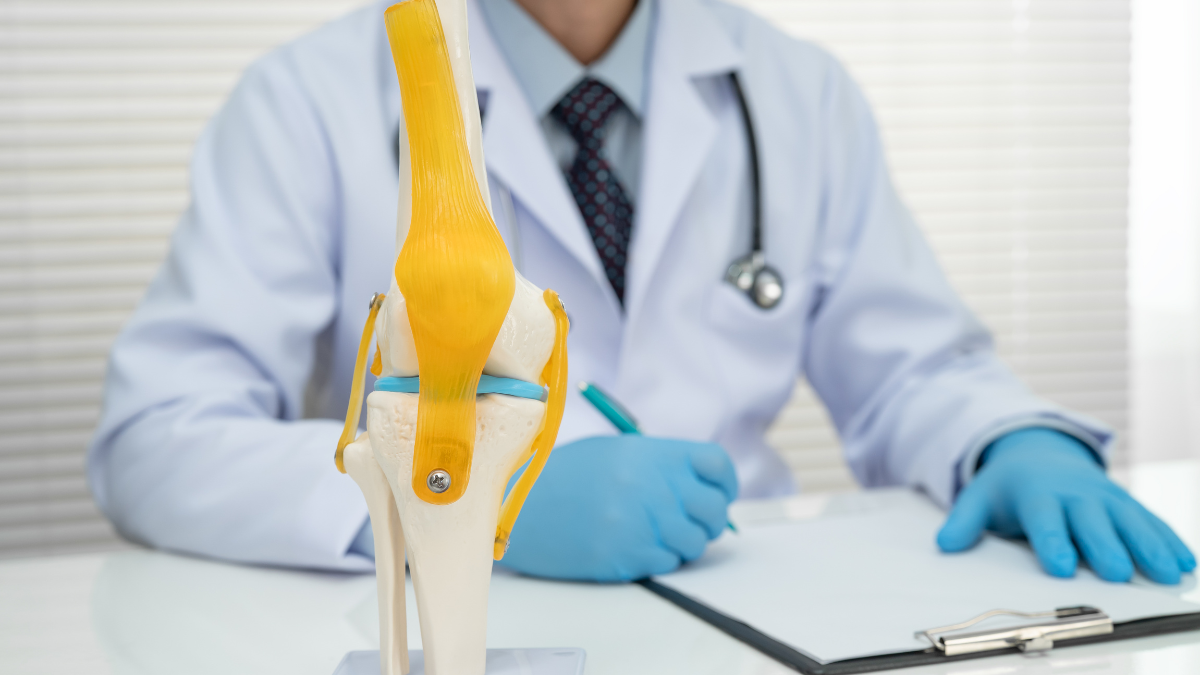
Knee replacement surgery, also known as knee arthroplasty, is a procedure in which damaged portions of the knee joint are replaced with artificial implants. The goal is to relieve pain, restore function, and improve mobility.
The procedure is commonly recommended for individuals suffering from severe arthritis or advanced joint degeneration that no longer responds to medications, physical therapy, injections, or lifestyle modifications.
Modern knee replacement procedures are highly advanced and offer excellent long-term outcomes. Patients can often return to daily activities with significantly reduced pain and improved movement.
Common Conditions That Lead to Knee Replacement
Several medical conditions can cause severe knee damage requiring surgical intervention.
Osteoarthritis
Osteoarthritis is the leading reason patients undergo Knee Replacement Surgery in Delhi. It occurs when the protective cartilage cushioning the knee joint gradually wears away. As cartilage deteriorates, bones begin rubbing against each other, causing pain, swelling, stiffness, and reduced mobility.
Rheumatoid Arthritis
Rheumatoid arthritis is an autoimmune disease that causes chronic inflammation within the joints. Over time, the inflammation damages cartilage and bone, leading to severe pain and joint deformity.
Post-Traumatic Arthritis
Serious knee injuries, fractures, or ligament damage can result in post-traumatic arthritis years after the original injury. The joint gradually deteriorates, causing chronic discomfort and instability.
Avascular Necrosis
This condition occurs when blood supply to the bone is reduced, leading to bone tissue death and joint collapse. In advanced cases, surgery may be necessary.
Signs You May Need Knee Replacement Surgery
Not every knee problem requires surgery. However, certain symptoms suggest that surgical treatment may provide the best outcome.
- Persistent Pain Despite Treatment: If medications, physical therapy, injections, and lifestyle modifications fail to control your pain, surgery may be considered. Many patients report experiencing pain even while resting or sleeping. Constant discomfort can significantly affect mental well-being and daily functioning.
- Difficulty Walking: If knee pain limits your ability to walk short distances or perform routine activities, the condition may have progressed beyond conservative management.
- Severe Joint Stiffness: When knee stiffness prevents you from bending or straightening the joint properly, it can interfere with everyday activities and reduce independence.
- Reduced Quality of Life: If knee pain prevents participation in work, family activities, exercise, or hobbies, it may be time to explore surgical options.
- Advanced Joint Damage on Imaging: X-rays and MRI scans can reveal cartilage loss, bone-on-bone contact, deformity, and other structural changes that indicate severe arthritis.

When Non-Surgical Treatments Are No Longer Enough
Before recommending surgery, orthopedic specialists generally try several conservative treatment options.
These may include:
- Pain-relieving medications
- Anti-inflammatory drugs
- Weight management
- Physiotherapy
- Knee braces
- Lifestyle modifications
- Corticosteroid injections
- Hyaluronic acid injections
While these approaches can provide temporary relief, they do not reverse advanced joint damage. When symptoms continue to worsen despite treatment, surgery may become the most effective long-term solution.
Types of Knee Replacement Procedures
Modern orthopedic surgery offers different types of knee replacement procedures depending on the extent of joint damage.
Partial Knee Replacement
Partial knee replacement is performed when damage affects only one section of the knee. The healthy portions of the joint are preserved, resulting in a smaller surgery and faster recovery.
Total Knee Replacement
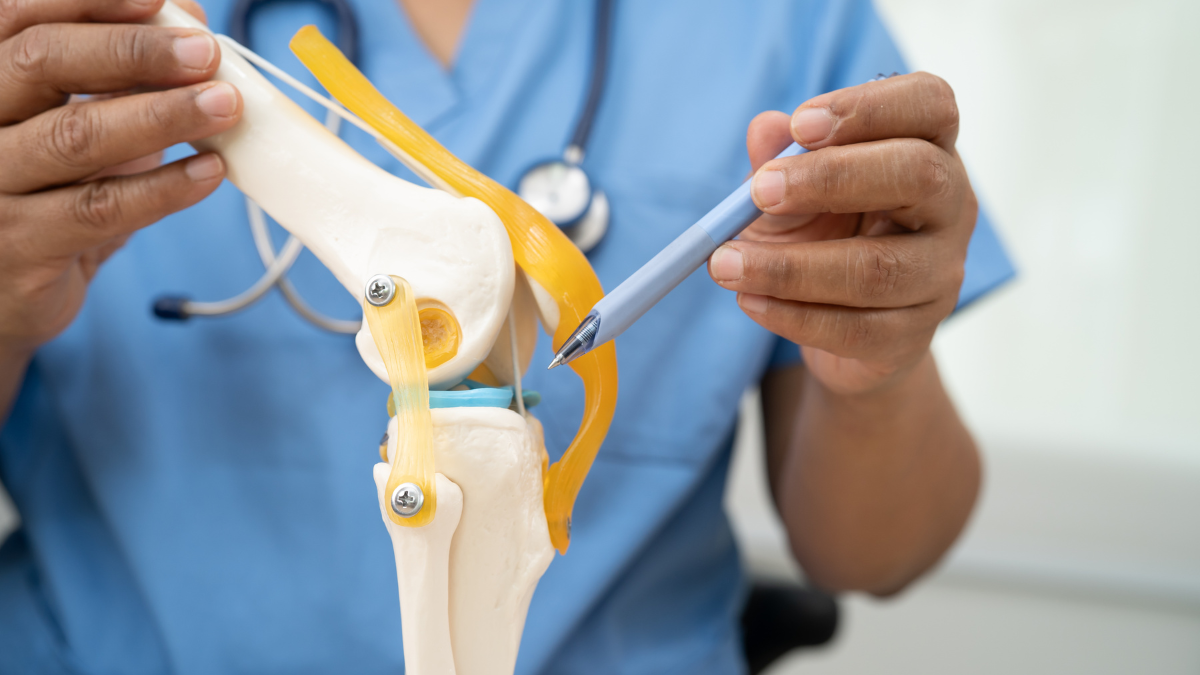
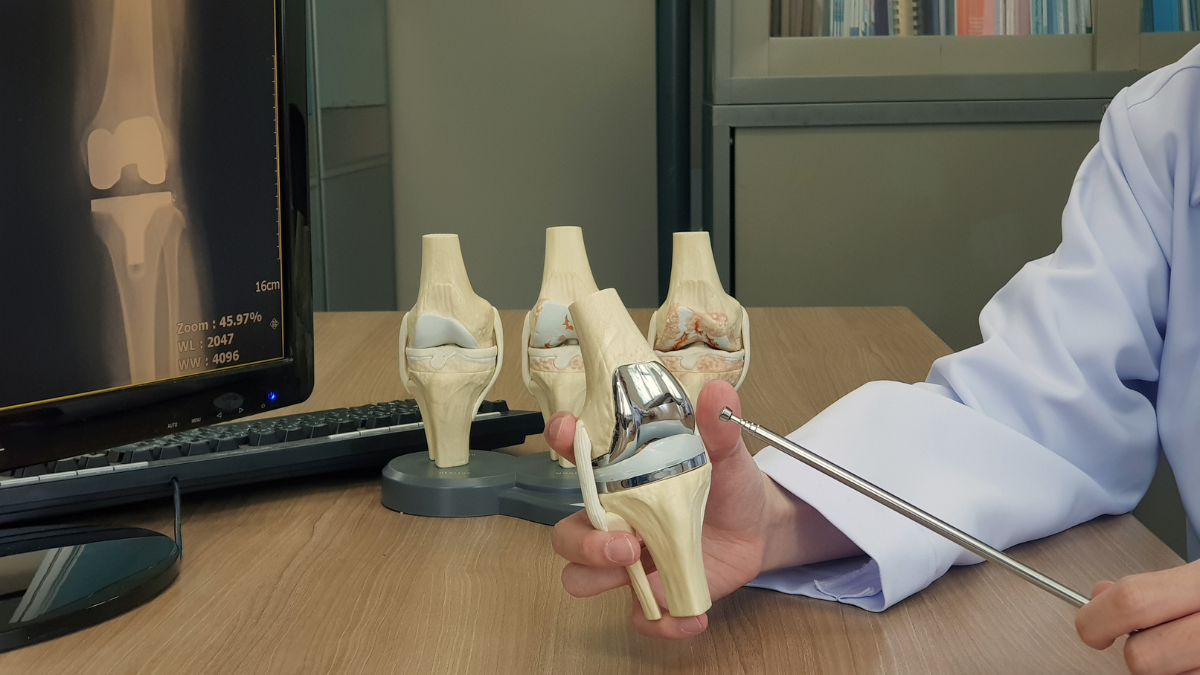
When arthritis affects the entire joint, surgeons may recommend total knee replacement surgery Delhi. During this procedure, the damaged cartilage and bone surfaces are replaced with artificial components designed to mimic the natural movement of the knee.
Among all orthopedic procedures, total knee replacement surgery Delhi remains one of the most successful treatments for severe knee arthritis.
Benefits of Knee Replacement Surgery
For properly selected patients, knee replacement offers substantial benefits.
- Significant Pain Relief: Most patients experience dramatic reduction in chronic knee pain after recovery.
- Improved Mobility: Walking, climbing stairs, and daily activities become easier and more comfortable.
- Better Quality of Life: Patients often return to activities they had previously abandoned due to pain and limited mobility.
- Long-Term Results: Modern implants are designed to last many years. With proper care, knee replacements can provide long-lasting relief and improved function.
- Increased Independence: Many individuals regain the ability to perform everyday tasks without assistance.
Who Is an Ideal Candidate?
Age alone is not the deciding factor for surgery. Instead, orthopedic surgeons evaluate overall health, symptom severity, and imaging findings.
Ideal candidates often have:
- Severe arthritis
- Persistent knee pain
- Significant mobility limitations
- Failure of non-surgical treatments
- Good overall health for surgery
A comprehensive orthopedic evaluation helps determine whether surgery is the most appropriate option.
Recovery After Knee Replacement Surgery
Recovery is an important part of the treatment process.
- Hospital Stay: Most patients remain in the hospital for a few days following surgery, depending on their health and recovery progress.
- Physical Therapy: Rehabilitation begins shortly after surgery. Physical therapy helps strengthen muscles, restore movement, and improve walking ability.
- Return to Daily Activities: Many patients resume routine daily activities within several weeks, although complete recovery may take several months.
- Long-Term Success: Following medical advice, maintaining a healthy weight, and staying physically active contribute to long-term success.

Myths About Knee Replacement Surgery
Many misconceptions prevent patients from seeking timely treatment.
- Myth 1: Surgery Is Only for Elderly People - While older adults commonly undergo surgery, younger patients with severe joint damage may also benefit.
- Myth 2: Recovery Takes Years - Advances in surgical techniques and rehabilitation programs have significantly shortened recovery times.
- Myth 3: Artificial Knees Do Not Feel Natural - Although an artificial joint cannot perfectly replicate a natural knee, modern implants provide excellent function and comfort.
- Myth 4: You Should Wait Until the Pain Becomes Unbearable - Delaying treatment can lead to worsening deformity, reduced mobility, and a more challenging recovery process.
Understanding Total Knee Replacement Surgery
The demand for total knee replacement surgery Delhi has increased significantly due to advancements in surgical technology and improved patient outcomes.
During total knee replacement surgery Delhi, damaged cartilage and bone are removed and replaced with specialized implants made from durable medical-grade materials. These implants recreate the smooth movement of a healthy knee joint.
Patients who undergo total knee replacement surgery Delhi often experience significant improvements in pain levels, mobility, and overall quality of life.
Factors Affecting Total Knee Replacement Surgery Cost
Many patients are concerned about the total knee replacement surgery cost in Delhi. The overall expense can vary depending on several factors.
These include:
- Hospital infrastructure
- Surgeon expertise
- Implant type
- Room category
- Medical condition of the patient
- Diagnostic tests
- Postoperative rehabilitation
The total knee replacement surgery cost in Delhi may differ from one hospital to another based on the quality of care and technology used.
Patients should remember that choosing treatment solely based on price may not always be the best decision. The experience of the surgeon and quality of care play a crucial role in achieving successful outcomes.
Questions to Ask Before Surgery
If you are considering surgery, discuss the following with your orthopedic specialist:
- Is surgery the best option for my condition?
- What alternatives remain available?
- What type of knee replacement do I need?
- What are the expected outcomes?
- How long will recovery take?
- What risks should I be aware of?
- What rehabilitation program will I need?
These discussions can help establish realistic expectations and improve confidence in the treatment plan.
Choosing the Right Knee Specialist
Selecting an experienced orthopedic surgeon is one of the most important decisions in your treatment journey.
Look for a specialist who offers:
- Extensive experience in knee replacement procedures
- Advanced surgical techniques
- Personalized treatment planning
- Comprehensive rehabilitation support
- Proven patient outcomes
A thorough consultation can help determine whether surgery is truly necessary and identify the best treatment approach for your specific condition.
Conclusion
Deciding whether to undergo knee replacement surgery is a significant healthcare decision. While many patients successfully manage knee pain through medications, therapy, and lifestyle modifications, others eventually reach a point where conservative treatments no longer provide relief.
If chronic pain, stiffness, and mobility limitations are affecting your quality of life, consulting an experienced orthopedic specialist is essential. Modern Knee Replacement Surgery in Delhi offers safe, effective, and long-lasting relief for patients with advanced knee arthritis and joint degeneration.
For individuals with severe joint damage, total knee replacement surgery Delhi can restore mobility, reduce pain, and help them return to a more active lifestyle. Understanding the procedure, recovery process, and total knee replacement surgery cost in Delhi can empower patients to make informed decisions about their health.
At Dr. Khera's Orthopedic Clinic, patients receive expert evaluation, personalized treatment recommendations, and advanced orthopedic care focused on achieving the best possible outcomes for long-term knee health.

Book an Appointment for Expert Knee Care
If you are experiencing persistent discomfort, swelling, stiffness, or difficulty climbing stairs, do not ignore the symptoms. Early diagnosis and proper orthopedic care can help prevent long-term joint damage and improve your quality of life.
At our trusted orthopaedic clinic in Inderpuri, we provide comprehensive evaluation and advanced treatment options for various knee conditions, including arthritis, ligament injuries, meniscus tears, and chronic joint pain.
Schedule Your Consultation
Book Appointment OnlineCall Center
+91 97738 33489Clinic Location
Dr Khera’s Wellness Clinic
ER-35, Inderpuri, New Delhi – 110012
Search “Dr Khera’s Wellness Clinic Inderpuri” on Google Maps for easy directions to the clinic.