Slip Disc vs Muscle Spasm: How to Tell the Difference
June 02, 2026
Back pain is one of the most common health problems affecting people of all age groups. Many individuals experience sudden pain in the lower back or neck and often struggle to determine whether the discomfort is caused by a slip disc or a muscle spasm. Although both conditions may produce similar symptoms initially, they are very different in terms of causes, severity, and treatment.
Understanding the difference between a slip disc and a muscle spasm is important for receiving the right medical care and avoiding long-term complications. Early diagnosis can help prevent worsening pain, nerve damage, and mobility issues.
At a reputed orthopaedic clinic in Inderpuri, patients frequently seek treatment for back pain caused by spinal injuries, poor posture, muscle strain, and degenerative spine conditions. Consulting an experienced Spine Surgeon in Delhi can help identify the exact cause of pain and provide an effective treatment plan.
This article explains the key differences between a slip disc and muscle spasm, including symptoms, causes, diagnosis, treatment options, and preventive measures.
What Is a Slip Disc?
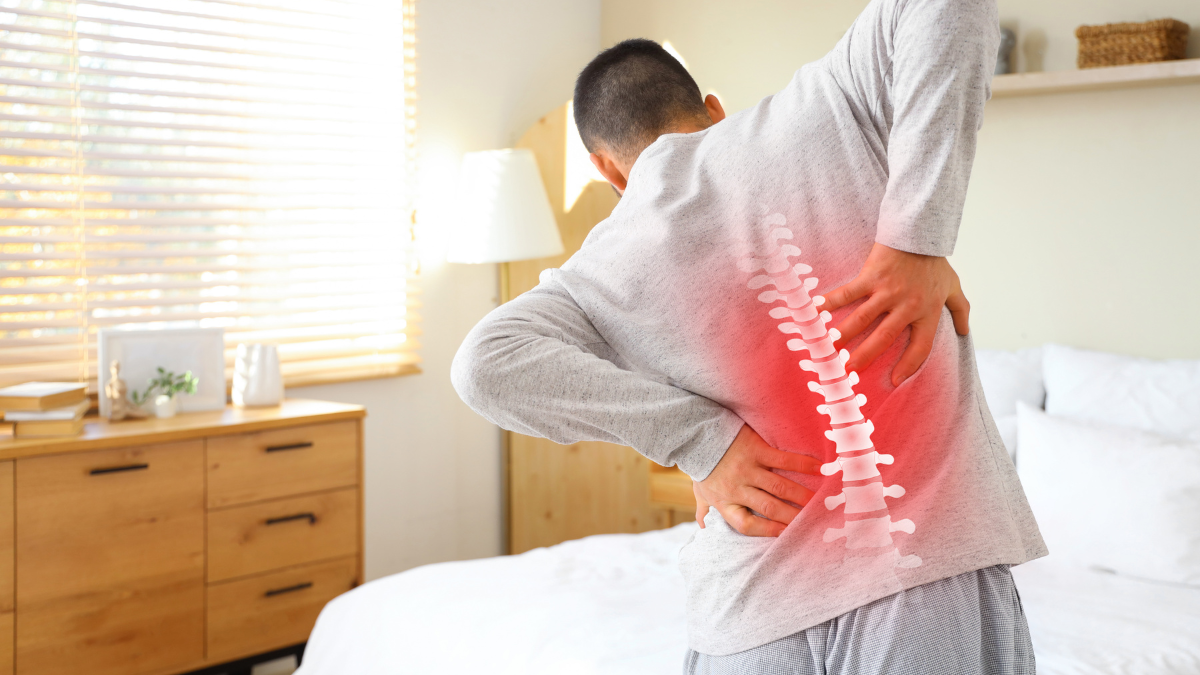
A slip disc, also known as a herniated disc or prolapsed disc, occurs when the soft inner portion of a spinal disc pushes through the outer layer. The spinal discs act as cushions between the vertebrae and help absorb shock during movement.
When a disc becomes damaged or weakened, it may bulge or rupture, putting pressure on nearby nerves. This can lead to severe pain, numbness, tingling, and weakness.
Slip disc problems commonly affect the lower back and neck regions of the spine.
Common Causes of Slip Disc
Several factors can increase the risk of developing a slip disc.
- Aging: As people age, spinal discs lose flexibility and hydration, making them more prone to damage.
- Heavy Lifting: Incorrect lifting techniques can place excessive pressure on the spine.
- Poor Posture: Sitting for long hours with poor posture increases spinal stress.
- Obesity: Excess body weight puts additional pressure on the spine.
- Sudden Injury: Accidents, falls, or sports injuries may damage spinal discs.
- Sedentary Lifestyle: Weak back and core muscles reduce spinal support.
Seeking early treatment from a Spine Surgeon in Delhi can help prevent worsening symptoms and nerve complications.
Symptoms of a Slip Disc
The symptoms of a slip disc vary depending on the location and severity of the condition.
Common Symptoms Include:
- Sharp or radiating back pain
- Neck pain
- Pain traveling down the legs or arms
- Numbness or tingling sensation
- Muscle weakness
- Difficulty walking or standing
- Burning sensation in the affected area
Pain from a slip disc often worsens during bending, coughing, sneezing, or prolonged sitting.
In severe cases, nerve compression may affect bladder or bowel control, requiring immediate medical attention.
What Is a Muscle Spasm?
A muscle spasm is a sudden, involuntary tightening or contraction of the muscles. Muscle spasms commonly affect the back, neck, or shoulder muscles and may occur due to overuse, strain, dehydration, or poor posture.
Unlike a slip disc, muscle spasms usually involve soft tissue irritation rather than spinal nerve compression.
Most muscle spasms improve with rest and conservative treatment, although severe spasms can significantly restrict movement and daily activities.
Common Causes of Muscle Spasm
Muscle spasms can develop due to several lifestyle and physical factors.
- Muscle Overuse: Repeated physical activity may strain the muscles.
- Poor Posture: Incorrect sitting or standing posture increases muscle tension.
- Stress: Mental stress can lead to muscle tightness and stiffness.
- Dehydration: Lack of fluids and electrolytes may trigger spasms.
- Sudden Movements: Abrupt twisting or bending may strain back muscles.
- Lack of Physical Activity: Weak muscles are more susceptible to spasms.
An experienced Spine Surgeon in Delhi can help determine whether the pain is muscular or related to a spinal condition.
Symptoms of Muscle Spasm
Muscle spasms often produce localized pain and stiffness.
Common Symptoms Include:
- Sudden tightness in the muscles
- Cramping sensation
- Difficulty moving
- Localized back pain
- Muscle tenderness
- Stiffness after activity
Unlike slip disc pain, muscle spasm pain usually does not radiate down the arms or legs.
The pain may improve with stretching, heat therapy, massage, or rest.
Slip Disc vs Muscle Spasm: Key Differences
Understanding the differences between these two conditions is essential for accurate diagnosis and treatment.
- Nature of Pain: Slip disc pain is often sharp, radiating, and associated with nerve irritation. Muscle spasm pain is usually localized and feels tight or cramp-like.
- Pain Radiation: A slip disc may cause pain that travels down the legs or arms due to nerve compression. Muscle spasms typically remain confined to one area.
- Numbness and Tingling: Slip discs often produce numbness, tingling, or weakness. Muscle spasms generally do not cause nerve-related symptoms.
- Duration of Pain: Muscle spasms usually improve within a few days or weeks. Slip disc symptoms may persist for months if untreated.
- Movement Restriction: Both conditions may limit movement, but slip disc pain often worsens during bending or sitting, while muscle spasms create stiffness and tightness.
- Severity: Slip discs can become serious if nerves are compressed. Muscle spasms are usually temporary and less dangerous.
Visiting an orthopaedic clinic in Inderpuri for professional evaluation can help identify the exact cause of back pain.
When Should You See a Spine Specialist?
Many people ignore back pain until it becomes severe. However, certain symptoms require immediate medical attention.
You should consult a Spine Surgeon in Delhi if you experience:
- Persistent back or neck pain
- Pain radiating to the arms or legs
- Numbness or tingling
- Muscle weakness
- Difficulty walking
- Loss of bladder or bowel control
- Severe pain after injury
Early diagnosis helps prevent long-term spinal complications and improves recovery outcomes.

Diagnosis of Slip Disc and Muscle Spasm
Orthopedic and spine specialists use several methods to identify the exact cause of pain.
- Physical Examination: The doctor evaluates movement, posture, reflexes, and muscle strength.
- Medical History: Previous injuries, lifestyle habits, and symptom patterns are reviewed.
- X-rays: X-rays help detect bone abnormalities and spinal alignment issues.
- MRI Scan: MRI scans provide detailed images of spinal discs, nerves, and soft tissues.
- CT Scan: CT scans may be recommended in certain cases for detailed spinal imaging.
- Nerve Tests: Electromyography may help assess nerve function.
An experienced Spine Surgeon in Delhi can recommend the appropriate diagnostic tests based on symptoms.
Treatment for Slip Disc
Treatment depends on the severity of symptoms and nerve involvement.
- Medications: Pain relievers and anti-inflammatory medicines help reduce pain and swelling.
- Physiotherapy: Stretching and strengthening exercises improve spinal stability.
- Activity Modification: Avoiding heavy lifting and prolonged sitting helps reduce spinal stress.
- Heat and Ice Therapy: These therapies help relieve inflammation and muscle tension.
- Epidural Injections: Steroid injections may help reduce nerve inflammation.
- Minimally Invasive Spine Surgery: In severe cases, surgery may be necessary to remove pressure from the nerves.
Modern spine care focuses on minimally invasive procedures that promote faster recovery and reduced complications.
Patients seeking advanced care often visit a Spine Surgeon in Delhi for specialized treatment options.
Treatment for Muscle Spasm
Muscle spasms are usually treated with conservative methods.
- Rest: Temporary rest helps relax strained muscles.
- Heat Therapy: Warm compresses improve blood circulation and reduce tightness.
- Stretching Exercises: Gentle stretching improves flexibility and muscle relaxation.
- Hydration: Proper hydration helps prevent muscle cramping.
- Massage Therapy: Massage may relieve muscle tension and improve mobility.
- Physiotherapy: Strengthening exercises help prevent recurring spasms.
At an orthopaedic clinic in Inderpuri, physiotherapy programs are often customized according to the patient’s condition and lifestyle.
Can a Muscle Spasm Be Mistaken for a Slip Disc?
Yes, muscle spasms and slip discs may initially produce similar symptoms such as back pain and reduced movement. However, slip disc pain usually involves nerve-related symptoms like numbness, tingling, or radiating pain.
Many patients self-diagnose their condition incorrectly and delay professional treatment. Consulting a qualified Spine Surgeon in Delhi is the best way to obtain an accurate diagnosis.
Risk Factors for Spine Problems
Several lifestyle factors increase the risk of spinal conditions.
- Sedentary Lifestyle: Long hours of sitting weaken the back muscles.
- Obesity: Excess weight increases pressure on the spine.
- Poor Ergonomics: Improper workstation setup may strain the spine.
- Smoking: Smoking affects spinal disc health and blood supply.
- Lack of Exercise: Weak core muscles reduce spinal support.
- Aging: Natural wear and tear increase the risk of spinal degeneration.
Maintaining spinal health through regular exercise and good posture can significantly reduce the risk of chronic back pain.
Tips to Prevent Slip Disc and Muscle Spasm
Simple lifestyle changes can help maintain a healthy spine and reduce injury risk.
- Maintain Good Posture: Sit and stand with proper spinal alignment.
- Exercise Regularly: Strengthening core and back muscles improves spinal support.
- Lift Properly: Avoid bending the spine while lifting heavy objects.
- Stay Hydrated: Adequate hydration helps maintain muscle function.
- Maintain Healthy Weight: Reducing excess weight decreases spinal stress.
- Take Breaks While Sitting: Frequent movement reduces muscle stiffness.
- Sleep on a Supportive Mattress: Proper spinal support during sleep is essential for back health.
Preventive care plays an important role in reducing the risk of both muscle spasms and spinal disc problems.
Importance of Early Spine Care
Ignoring back pain can lead to worsening symptoms and reduced quality of life. Early diagnosis and treatment improve recovery outcomes and help prevent long-term nerve damage.
Modern orthopedic and spine care focuses on non-surgical treatment whenever possible. Timely consultation with a Spine Surgeon in Delhi can help patients return to normal activities safely and effectively.
Why Choose a Specialized Orthopaedic Clinic?
A specialized orthopedic center offers:
- Advanced spinal diagnosis
- Personalized treatment plans
- Physiotherapy and rehabilitation
- Minimally invasive procedures
- Comprehensive spine care
- Experienced orthopedic specialists
An experienced orthopaedic clinic in Inderpuri can provide complete care for spinal disorders, muscle injuries, and chronic back pain conditions.
Conclusion
Slip disc and muscle spasm are two common causes of back pain, but they differ significantly in terms of symptoms, severity, and treatment. While muscle spasms are usually temporary and related to muscle strain, slip discs involve spinal disc damage and nerve compression.
Understanding the warning signs of each condition can help patients seek timely medical care and avoid long-term complications. Persistent pain, numbness, tingling, or weakness should never be ignored.
If you are experiencing ongoing back pain, consulting a qualified Spine Surgeon in Delhi is highly recommended. Early diagnosis and professional treatment can help restore mobility, reduce discomfort, and improve overall spinal health.
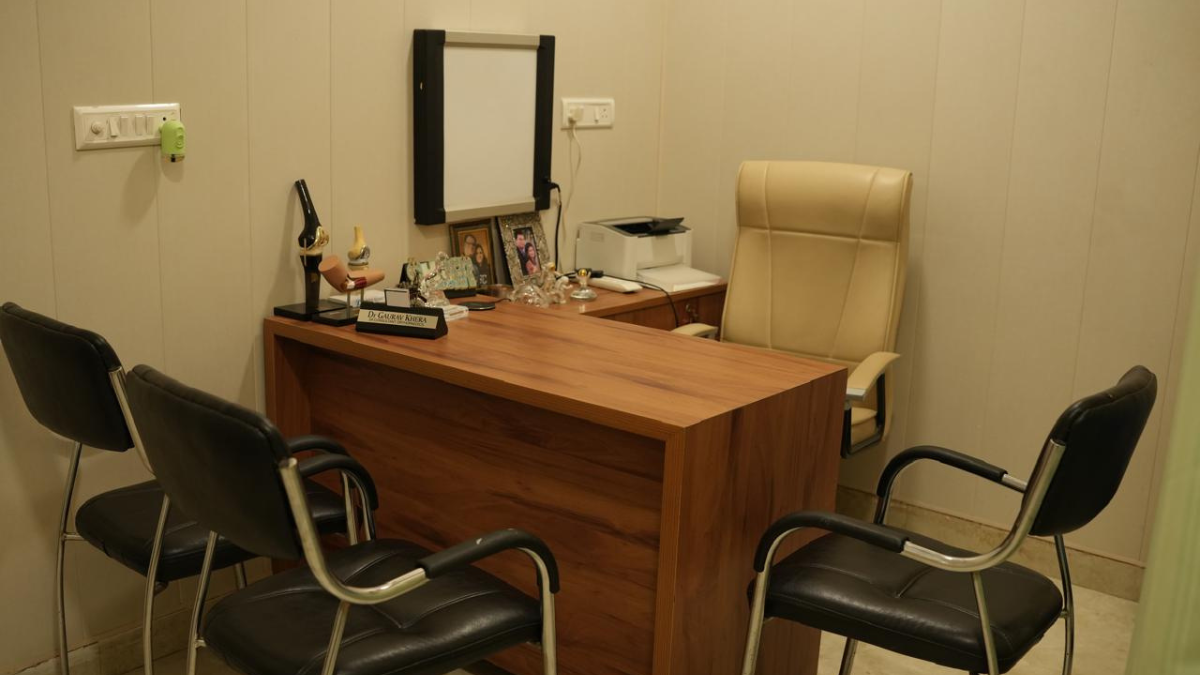
Book an Appointment for Expert Spine Care
If you are suffering from persistent back pain, neck pain, muscle spasms, or symptoms of a slip disc, early medical attention can help prevent serious complications and improve recovery.
At our trusted orthopaedic clinic in Inderpuri, we provide advanced diagnosis and comprehensive treatment for spine-related conditions, including slip disc, nerve compression, muscle injuries, and chronic back pain.
Schedule Your Consultation
Book Appointment OnlineCall Center
+91 97738 33489Clinic Location
Dr Khera’s Wellness Clinic
ER-35, Inderpuri, New Delhi – 110012
Search “Dr Khera’s Wellness Clinic Inderpuri” on Google Maps for easy directions to the clinic.