7 Reasons for Knee Pain While Climbing Stairs
June 08, 2026
Knee pain while climbing stairs is one of the most common orthopedic complaints among adults today. Many people experience discomfort, stiffness, or weakness in their knees while going upstairs or downstairs. Although occasional pain may seem harmless, persistent knee pain can indicate an underlying orthopedic condition that requires proper medical attention.
The knees are among the most important weight-bearing joints in the body. Daily activities such as walking, standing, sitting, bending, and climbing stairs place significant stress on these joints. When the cartilage, ligaments, tendons, or muscles surrounding the knee become damaged or inflamed, simple movements can become painful and difficult.
At a trusted orthopaedic clinic in Inderpuri, many patients seek treatment for chronic knee pain that affects their mobility and quality of life. Understanding the exact cause of knee pain is essential for effective diagnosis and treatment.
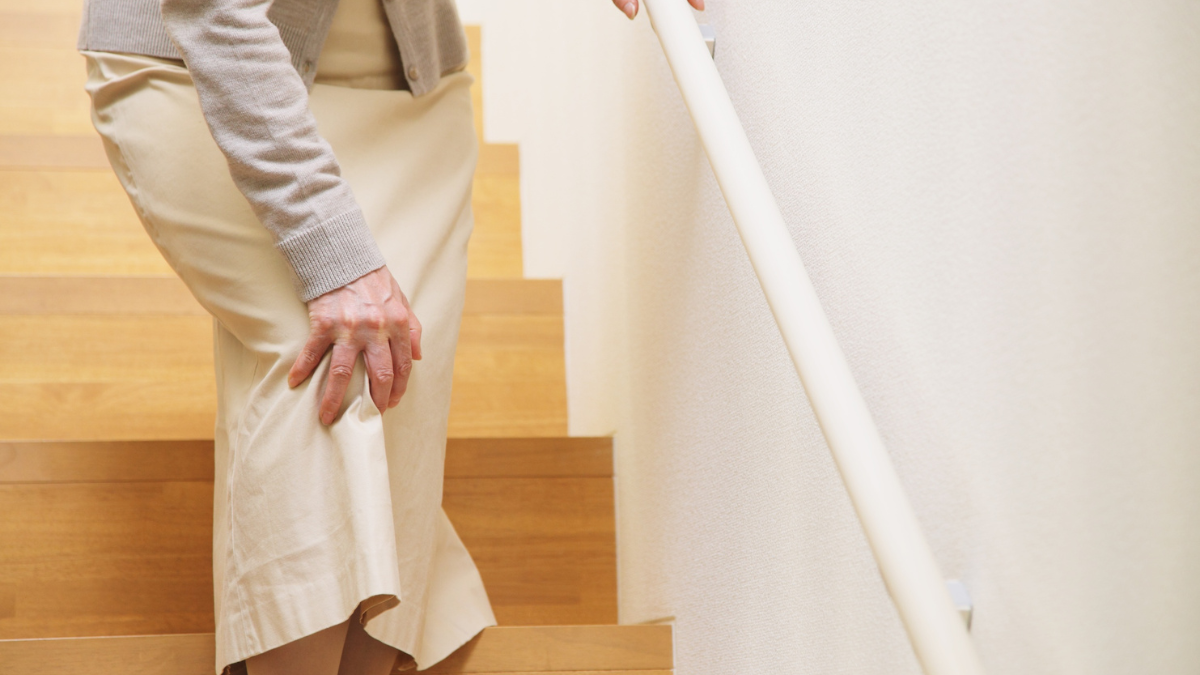
Why Does Knee Pain Increase While Climbing Stairs?
Climbing stairs puts more pressure on the knee joints compared to regular walking. The knees may bear nearly three to four times the body weight during stair climbing. This extra stress can aggravate existing joint problems and make underlying orthopedic conditions more noticeable.
The knee joint consists of bones, cartilage, ligaments, tendons, muscles, and synovial fluid that work together to support movement and stability. Any damage or inflammation in these structures may cause pain while climbing stairs.
1. Osteoarthritis of the Knee
Osteoarthritis is one of the most common reasons for knee pain while climbing stairs. This condition occurs when the protective cartilage within the knee joint gradually wears away over time. As the cartilage deteriorates, friction between the bones increases, causing pain, swelling, and stiffness.
Osteoarthritis is more common in older adults, but younger individuals may also develop the condition due to obesity, injuries, or repetitive stress on the knees.
Symptoms of Osteoarthritis
- Knee stiffness
- Swelling around the joint
- Pain during movement
- Grinding or clicking sounds
- Reduced flexibility
- Difficulty climbing stairs
Early knee pain treatment in Delhi can help slow the progression of osteoarthritis and improve joint mobility.
2. Patellofemoral Pain Syndrome
Patellofemoral Pain Syndrome, commonly known as runner’s knee, is another major cause of knee pain during stair climbing. This condition develops when the kneecap does not move properly over the thigh bone.
The pain is usually felt at the front of the knee and tends to worsen while:
- Climbing stairs
- Squatting
- Running
- Sitting for long periods
Causes of Patellofemoral Pain Syndrome
- Muscle imbalance
- Weak thigh muscles
- Improper knee alignment
- Overuse injuries
This condition is commonly seen in athletes and active individuals. Proper physiotherapy and strengthening exercises recommended at an orthopaedic clinic in Inderpuri can help improve recovery.
3. Ligament Injuries
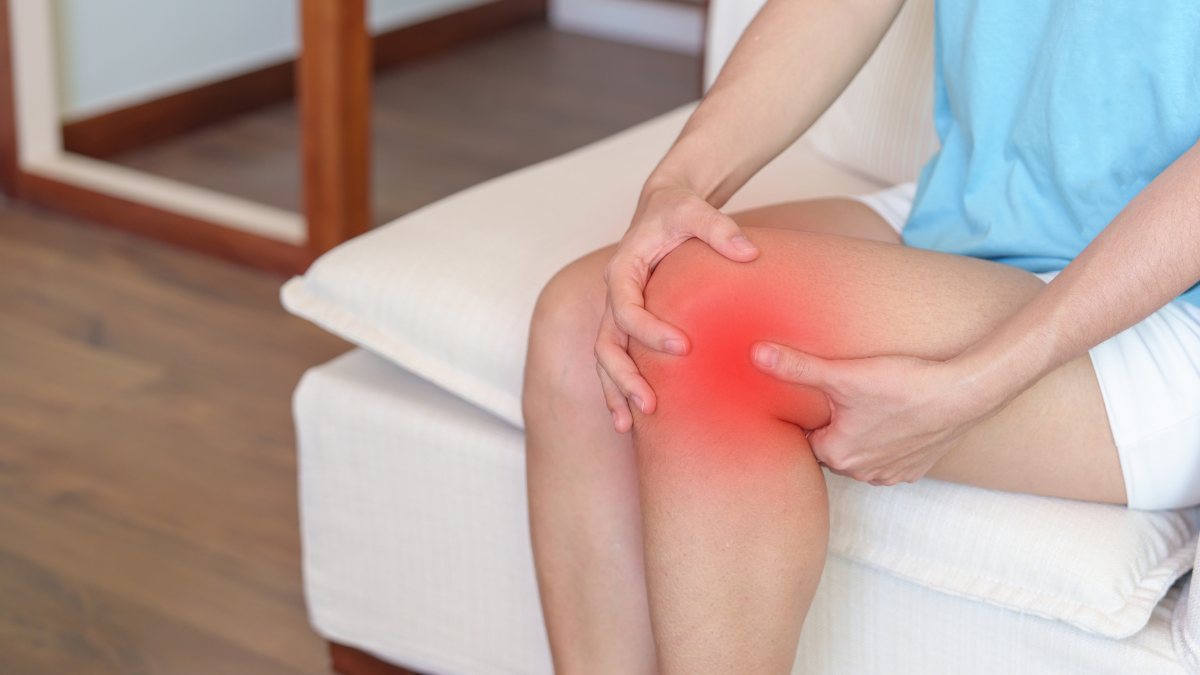
The knee contains several important ligaments that stabilize the joint. Sports injuries, sudden twisting movements, or accidents may damage these ligaments and cause pain during movement.
Common Knee Ligament Injuries
- ACL injury
- MCL injury
- PCL injury
Symptoms of Ligament Injuries
- Swelling
- Knee instability
- Pain during walking
- Difficulty bearing weight
- Limited movement
Ignoring ligament injuries can lead to long-term joint instability and chronic pain. Patients experiencing persistent symptoms should seek knee pain treatment in Delhi for accurate diagnosis and rehabilitation.
4. Meniscus Tear
The meniscus is a rubbery cartilage that acts as a shock absorber between the thigh bone and shin bone. A torn meniscus is a common orthopedic injury that can make climbing stairs extremely painful.
Causes of Meniscus Tears
- Sudden twisting movements
- Sports injuries
- Aging-related degeneration
- Heavy lifting
Symptoms of a Meniscus Tear
- Sharp knee pain
- Swelling
- Knee locking
- Clicking sensation
- Difficulty straightening the leg
Treatment may include physiotherapy, medications, or minimally invasive procedures depending on the severity of the injury.

5. Tendinitis
Tendinitis refers to inflammation of the tendons surrounding the knee joint. It commonly affects individuals involved in repetitive physical activities such as running, jumping, or cycling. Patellar tendinitis specifically affects the tendon connecting the kneecap to the shinbone.
Symptoms of Tendinitis
- Pain below the kneecap
- Tenderness
- Swelling
- Stiffness after exercise
- Increased pain during activity
Climbing stairs can worsen tendon inflammation because of repeated knee bending. Early knee pain treatment in Delhi can help manage symptoms effectively and prevent complications.
6. Bursitis
Small fluid-filled sacs called bursae help reduce friction within the knee joint. When these bursae become inflamed, the condition is known as bursitis. Knee bursitis can make climbing stairs painful and uncomfortable.
Common Causes of Bursitis
- Repetitive kneeling
- Direct injury
- Arthritis
- Infection
Symptoms of Bursitis
- Swelling
- Warmth around the knee
- Tenderness
- Pain during movement
Treatment options at an orthopaedic clinic in Inderpuri may include medications, physiotherapy, aspiration, or injections depending on the severity of the condition.
7. Muscle Weakness and Poor Joint Support
Weak muscles surrounding the knee can increase pressure on the joint during movement. The quadriceps, hamstrings, and calf muscles play an important role in supporting knee function and maintaining balance. When these muscles become weak, climbing stairs places additional stress on the knees, leading to pain and instability.
Factors Contributing to Muscle Weakness
- Sedentary lifestyle
- Aging
- Lack of exercise
- Previous injuries
- Obesity
Strengthening exercises and rehabilitation programs can significantly improve knee stability and reduce discomfort.
Risk Factors for Knee Pain
Several factors increase the risk of developing knee pain while climbing stairs.
- Obesity: Excess body weight increases stress on the knee joints.
- Aging: Cartilage naturally wears down with age.
- Sports Injuries: Athletes are more prone to ligament and cartilage injuries.
- Poor Posture: Incorrect posture can affect knee alignment and movement.
- Lack of Physical Activity: Weak muscles provide less support to the knee joint.
- Repetitive Stress: Frequent climbing, kneeling, or squatting may strain the knees over time.

When Should You See an Orthopedic Specialist?
Many people ignore knee pain until it becomes severe. However, early diagnosis and treatment can prevent long-term complications.
You should consult an orthopedic specialist if you experience:
- Persistent knee pain
- Swelling
- Difficulty climbing stairs
- Knee instability
- Limited movement
- Clicking or locking sensations
An experienced orthopaedic clinic in Inderpuri can provide comprehensive diagnosis and advanced treatment options for knee conditions.
Diagnosis of Knee Pain
Orthopedic specialists use different methods to identify the exact cause of knee pain.
- Physical Examination: The doctor checks swelling, tenderness, flexibility, and joint movement.
- X-rays: X-rays help identify arthritis and bone-related abnormalities.
- MRI Scan: MRI scans provide detailed images of ligaments, cartilage, and soft tissues.
- Blood Tests: Blood tests may help detect infections or inflammatory conditions.
Early diagnosis allows patients to begin treatment before the condition worsens.
Treatment Options for Knee Pain
Treatment depends on the underlying cause and severity of symptoms.
- Medications: Pain relievers and anti-inflammatory medicines help reduce discomfort.
- Physiotherapy: Strengthening exercises improve flexibility and support joint stability.
- Lifestyle Modifications: Weight management and low-impact exercises reduce stress on the knees.
- Knee Braces: Braces provide additional support during physical activity.
- Injections: Steroid or lubricating injections may reduce inflammation and pain.
- Minimally Invasive Surgery: Arthroscopy may be recommended for ligament or cartilage repair.
- Knee Replacement Surgery: In severe arthritis cases, knee replacement surgery may be necessary.
Patients seeking advanced knee pain treatment in Delhi should consult experienced orthopedic specialists for personalized care.
Tips to Prevent Knee Pain While Climbing Stairs
Maintaining healthy joints can help reduce the risk of knee pain.
- Maintain Healthy Weight: Reducing excess body weight decreases pressure on the knees.
- Exercise Regularly: Strengthening exercises improve muscle support around the knee joint.
- Wear Proper Footwear: Comfortable footwear helps maintain proper body alignment.
- Warm Up Before Activity: Stretching and warm-up exercises reduce injury risk.
- Avoid Overuse: Take breaks during repetitive physical activities.
- Maintain Good Posture: Correct posture reduces unnecessary strain on the joints.
Importance of Early Treatment
Ignoring knee pain may lead to worsening joint damage, reduced mobility, and chronic discomfort. Early intervention improves treatment outcomes and helps patients return to normal activities more quickly.
Modern orthopedic care focuses on non-surgical and minimally invasive treatment methods whenever possible. Seeking timely knee pain treatment in Delhi can prevent serious complications and improve overall quality of life.
Why Choose a Specialized Orthopaedic Clinic?
A specialized orthopedic center offers:
- Accurate diagnosis
- Advanced imaging facilities
- Personalized treatment plans
- Physiotherapy support
- Surgical expertise
- Rehabilitation programs
An experienced orthopaedic clinic in Inderpuri can help patients manage knee pain effectively using advanced orthopedic care and patient-focused treatment.
Conclusion
Knee pain while climbing stairs should never be ignored. It may indicate underlying orthopedic conditions such as osteoarthritis, ligament injuries, tendinitis, bursitis, or muscle weakness. Early diagnosis and appropriate treatment play a crucial role in preventing long-term complications and restoring mobility.
If you experience persistent knee discomfort, swelling, or difficulty climbing stairs, consulting an orthopedic specialist is highly recommended. Timely knee pain treatment in Delhi can help reduce pain, improve joint function, and support a healthier, more active lifestyle.
Book an Appointment for Expert Knee Care
If you are experiencing persistent discomfort, swelling, stiffness, or difficulty climbing stairs, do not ignore the symptoms. Early diagnosis and proper orthopedic care can help prevent long-term joint damage and improve your quality of life.
At our trusted orthopaedic clinic in Inderpuri, we provide comprehensive evaluation and advanced treatment options for various knee conditions, including arthritis, ligament injuries, meniscus tears, and chronic joint pain.
Schedule Your Consultation
Book Appointment OnlineCall Center
+91 97738 33489Clinic Location
Dr Khera’s Wellness Clinic
ER-35, Inderpuri, New Delhi – 110012
Search “Dr Khera’s Wellness Clinic Inderpuri” on Google Maps for easy directions to the clinic.