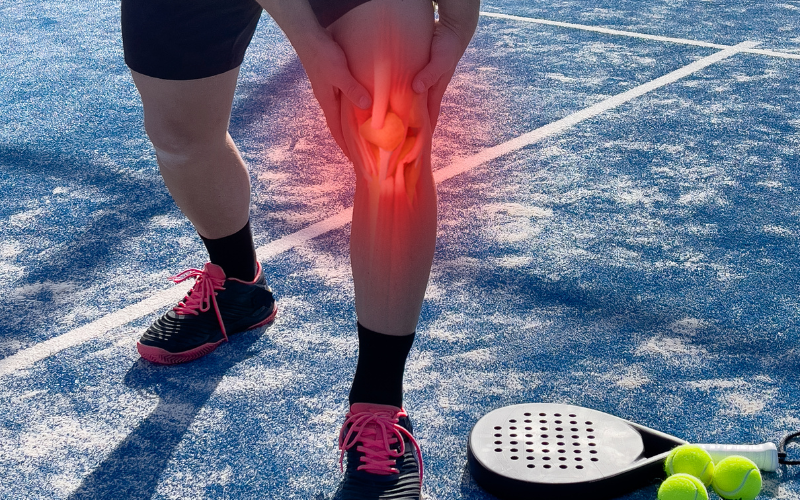
Sports injuries can befall anywhere whether you are a professional athlete, a visitor to the gym, or just a weekend cricket player. Although certain injuries can be abrupt and traumatic, a lot of them are progressive because of overuse or improper movement patterns. At Dr. Gaurav Khera Orthopaedic Clinic at Delhi NCR, we don t merely treat injuries we prevent them by providing focused assessments, education and systematic planning your return to activity.
Most Common Sports Injuries We Treat
1. ACL & PCL Tears
One of the most severe sports injuries is
ligament tear. Knee stability is imperative to the anterior cruciate
ligament (ACL) and posterior cruciate ligament (PCL). Many causes of these
injuries include abrupt turning, clumsy landing, or collision, which are
frequent to sports such as football, basketball, and running. When left
untreated they may undermine balance, strength, and the length of joint
time.
2. Ankle Sprains & Ligament Laxity
Ankle sprain is one of the most
common sports injuries that can be ignored, as its symptoms may appear
insignificant yet cause a life-long problem of instability unless treated.
When faced with repeated twists, the supporting ligaments will be weakened
and when left unchecked may lead to damage in tendons and in the long run,
balance complications.
3. Shoulder Impingement and Rotator Cuff Tears
Such injuries that
are common in sports that involve overhead movement, including swimming,
badminton, and weight training, entail tendon inflammation or tears in
tendons that serve to hold up the shoulder. The pain, limited movement and
weakness are various signs and symptoms.
4. Tennis Elbow / Golfer’s Elbow
Known technically as lateral and
medial epicondylitis, the injuries can be mentioned as a result of
repetitive movement of the wrists and forearms. Common culprits are racquet
sports and strength training. Pain begins slowly and gets worse during
activities without early and proper treatment.
5. Meniscus Tears
The meniscus cushions the knee. A tear can be
caused by sudden turn under a load, typical of a cricket, volleyball, or gym
exercise. Joint locking, swelling, pain when sitting and walking is
symptomatic.
6. Shin Splints
Due to overuse, running in inappropriate shoes or
running on hard surfaces, pain along the front of the lower leg is prevalent
in those who run or dance. It may advance to stress fractures, given no
correction.
7. Stress Fractures
Repetitive strain and impact causes these
micro-cracks in the bone that are most prevalent in the tibia, metatarsals
and pelvis. These are frequently seen when the sports men train harder or
develop lack of nutrition.
How We Help Prevent Sports Injuries
1. Functional Biomechanical Assessments
A large number of injuries
are caused by minor problems such as faulty posture, muscle imbroglios, or
cockeyed joints. We do full-body analysis of movements and groupings to
identify such difficulties to eliminate them when their results could
already be regarded as serious injuries. It lessens the risk of all sports
to fix the biomechanics early.
2. Personalized Strength & Flexibility Training
An important
prevention pillar is muscle balance development. The knees can be overloaded
by tight hip flexors or weak glutes. Excessive shoulders may wear out
rotator cuff. We have individualized sport-specific strengthening and
mobility exercise programs at our clinic.
3. Return-to-Sport Protocols
Once injured, reinjury or permanent
joint problems may occur when one comes back too early. We use
evidence-based, gradual return-to-sports guidelines which evaluate not only
pain-free movement but also specific sports functionality, such as agility,
power, and endurance.
4. Training Load Management
One of the greatest causes of injury is
over training, especially in young athletes. We guide you in designing rest
days, frequency deloading, and intensity progression according to the level
of your activity and performance objectives.
5. Prehab Routines & Warm-up Design
Injury prevention comes in the
form of dynamic warm-ups, activation drills and cooldown stretches. We are
prepared to offer your targeted routines based on various sports so that
your muscles get ready and joints are taken care of.
6. Gear and Surface Advice
We would recommend footwear, insoles,
grips, braces, training surfaces to the patients. The inappropriate shoes or
un-even workout surfaces cause many avoidable injuries. We also advise on
what to do when the sports equipment are old.
7. Nutrition and Hydration Awareness
Muscle strains and bone stress
injuries may be associated with dehydration or malnutrition. We will have
general advice on proper intake of proteins, calcium levels, electrolytes,
and hydration in performing athletics.
Educating the Athlete: Our Core Philosophy
In our Dr. Khera Clinic we think prevention is through awareness. All patients are informed about the mechanics of their body, risk areas, and self-monitoring techniques. We educate players on identifying red flags such as chronic tightness, fatigue and "sounds of stress" associated with early signs of stress or inflammation.
Take Action Before Injury Strikes
Just because you are training to run a marathon, lifting weights, or playing a weekend game does not mean that waiting until you are injured and then you learn what prevention would have extended the outcome. At the Orthopaedic Clinic at Dr. Gaurav Khera, we make you play safer, recover smarter and stay injury-free longer.