Knee replacement has over the years been an effective procedure for patients who have severe knee pain and limited mobility caused by such conditions like osteoarthritis. Conventionally, this procedure is done manually by specialized orthopedic surgeons. But modern science has brought options in the surgical process of knee replacement and they include robotic-assisted knee replacement. This article aims at providing an overview of robotic vs traditional knee replacement surgery outcomes, risks, and factors to consider to enable a patient to compare and make an informed decision concerning the most appropriate surgical technique to undertake.
Understanding Traditional Knee Replacement Surgery
However, in the conventional knee replacement surgery, the doctor uses surgical instruments to scrape away the diseased tissues together with the bone as well as cartilage from the upper end of the tibia, the lower end of the femur, and the patella before implanting metal and plastic components. The outcome of this procedure depends on how well the surgeon is going to place and fit the implant appropriately. Surgical knee replacement has been practiced as an effective treatment modality for several decades; however, it comes with several drawbacks especially on the aspect of implant positioning.
Introduction to Robotic-Assisted Knee Replacement
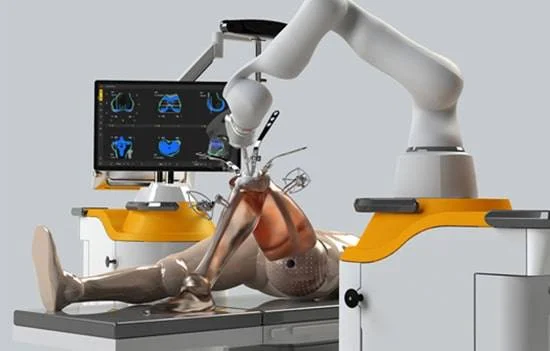
Robot assisted knee replacement is a process where robotic systems are used to help surgeons perform the surgery with a higher level of accuracy. In case of surgical treatment, using imaging technologies, the doctor creates a 3D model of the knee to study the possible outcomes. Real time feedback is given by the robotic system during the operation and the surgeon is guided accurately to implement the already planned operation. It is also significant to understand that the robot does not operate on the patient on its own but is an assistant to the surgeon.
Comparing Precision and Accuracy
The key benefit of robotic surgery is the increased accuracy of implantation provided by a robotic surgical system. The ability to make real-time modifications based on the specific anatomical characteristics of the patient may create better positioning after the operation and a more natural-feeling knee joint. Research has demonstrated that the use of robotic systems enhances the precision in prosthesis positioning and restoration of alignment relative to the conventional techniques.
Surgical Time and Recovery
Robotic-assisted methods might add extra time for preparation and positioning before the surgery, and this may extend the time needed for surgery. But, the greater accuracy can lead to less damage to the surrounding tissues, less post-surgery pain, and faster healing. People who have had robotic-assisted knee replacement surgery have recovered quickly and spent shorter time in the hospital than those who have been through traditional surgery.
Risk of Complications
Though, conventional and robotically-aided surgeries for knee replacement procedures involve certain risk factors, including infection, blood clot formation, and problems arising from anesthesia. However, researchers are of the opinion that with the robotic assisted surgical system, there might be a precision in the implant placement and position, and thus fewer chances of mechanical complications like misplacement of the implant. A comparison of the two approaches of the surgical procedures revealed that patients who underwent the robot-assisted knee replacement had a lower risk of developing complications such as infection, excessive bleeding, and fracture or dislocation of the affected limb.
Cost Considerations
Robotic-assisted knee replacement surgery can also be more costly compared to the traditional methods used due to expensive technology and equipment used. The cost may also entail preoperative imaging and perhaps longer duration of surgery. Insurance may cover robotic surgery but individuals need to check with their particular insurance providers on that. Still, the cost of the standard knee replacement is comparatively lower to that of the robotic surgery since it comes with expensive tools. Insurance companies are more likely to cover traditional surgery thus this is a more feasible option to patients.
Surgeon Experience and Availability
Conventional and robotic-assisted knee replacement surgeries, therefore, rely heavily on the skills of the surgeon. Robotic systems demand specialized training and not all surgeons or medical centers can afford these systems. Conventional knee replacement surgery is not restricted and can be done in almost every hospital. The procedure does not demand the use of special equipment that would make the treatment available for many patients.
Making the Right Choice
When choosing between Robotic-assisted and Traditional knee replacement surgery there are a number of factors to consider such as your condition’s severity, your general health, financial concerns and whether the technology and surgeons are available in your region. This requires one to seek the services of an experienced orthopedic surgeon, which will help in establishing the right kind of surgery required in your situation.
Conclusion
As it becomes more apparent both robotic-assisted and conventional knee replacement surgeries have their own strengths and weaknesses. Robotic surgeries add a new level of precision, which puts bones and tissues in a better alignment assisting with quicker healing but in return, they are more expensive and not commonly used. On the other hand, the traditional surgery is less invasive, cheaper, and frequently used, but its efficiency greatly depends on the surgeon’s hand and might take longer for the patient to fully recover. In the end, you need to make up your mind on each of the options after consultation with your doctor, factoring in a multitude of considerations to achieve the optimal result in the restoration of the knee’s function.